The evolution of chord theory is a fascinating journey through the history of music, spanning centuries of exploration, innovation, and discovery. From ancient civilizations to the modern era, musicians and theorists have sought to understand the underlying principles of harmony and develop a systematic approach to chord construction and progression. The earliest manifestations of chordal harmony can be traced back to ancient cultures such as the Greeks and Egyptians, who explored the relationships between pitches and the mathematical ratios that govern them. These early experiments laid the foundation for the development of Western music theory, which emerged during the Middle Ages with the advent of Gregorian chant and the codification of musical notation.
During the Renaissance period, composers and theorists began to formalize the principles of harmony, laying the groundwork for modern chord theory. One of the key figures in this movement was Gioseffo Zarlino, whose treatises on music theory provided a comprehensive framework for understanding the organization of pitch and the construction of chords. Zarlino's work, along with that of his contemporaries such as Heinrich Schütz and Giovanni Pierluigi da Palestrina, helped to establish the rules of counterpoint and harmony that would shape Western music for centuries to come.
 |
| Gioseffo Zarlino |
The Baroque era witnessed further developments in chord theory, as composers such as Johann Sebastian Bach and George Frideric Handel explored new harmonic territories in their compositions. Bach, in particular, is renowned for his mastery of counterpoint and his innovative use of chord progressions to create rich, expressive music. His seminal work, "The Well-Tempered Clavier," demonstrated the possibilities of equal temperament tuning and laid the groundwork for the tonal harmony that would dominate Western music for the next several centuries.
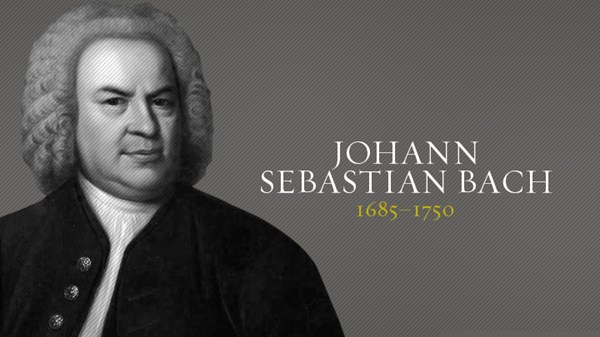 |
| Johann Sebastian Bach |
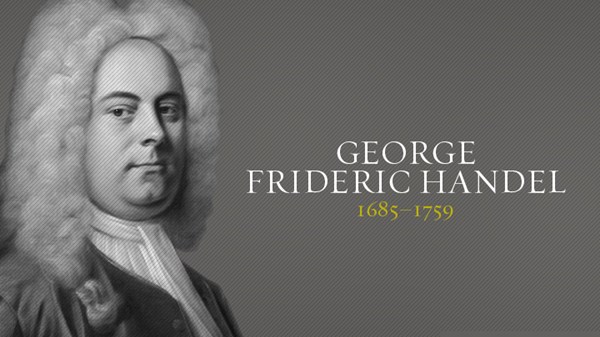 |
| George Frideric Handel |
In the Classical period, composers such as Wolfgang Amadeus Mozart and Ludwig van Beethoven expanded upon the principles of chord theory, incorporating elements of form and structure into their compositions. Mozart's use of chromatic harmony and Beethoven's exploration of tonal tension and resolution pushed the boundaries of traditional harmonic language, paving the way for the Romantic era's emphasis on emotional expression and individuality.
 |
| Wolfgang Amadeus Mozart |
 |
| Ludwig van Beethoven |
The 19th and 20th centuries saw further advancements in chord theory, as composers and theorists grappled with the complexities of chromaticism, atonality, and serialism. The work of theorists such as Hugo Riemann, Arnold Schoenberg, and Olivier Messiaen revolutionized our understanding of chordal harmony, introducing new concepts such as chord function, chordal inversion, and non-diatonic harmony. Schoenberg's development of the twelve-tone technique, in particular, challenged traditional notions of tonality and paved the way for the emergence of modernist and postmodernist approaches to composition.
 |
| Hugo Riemann |
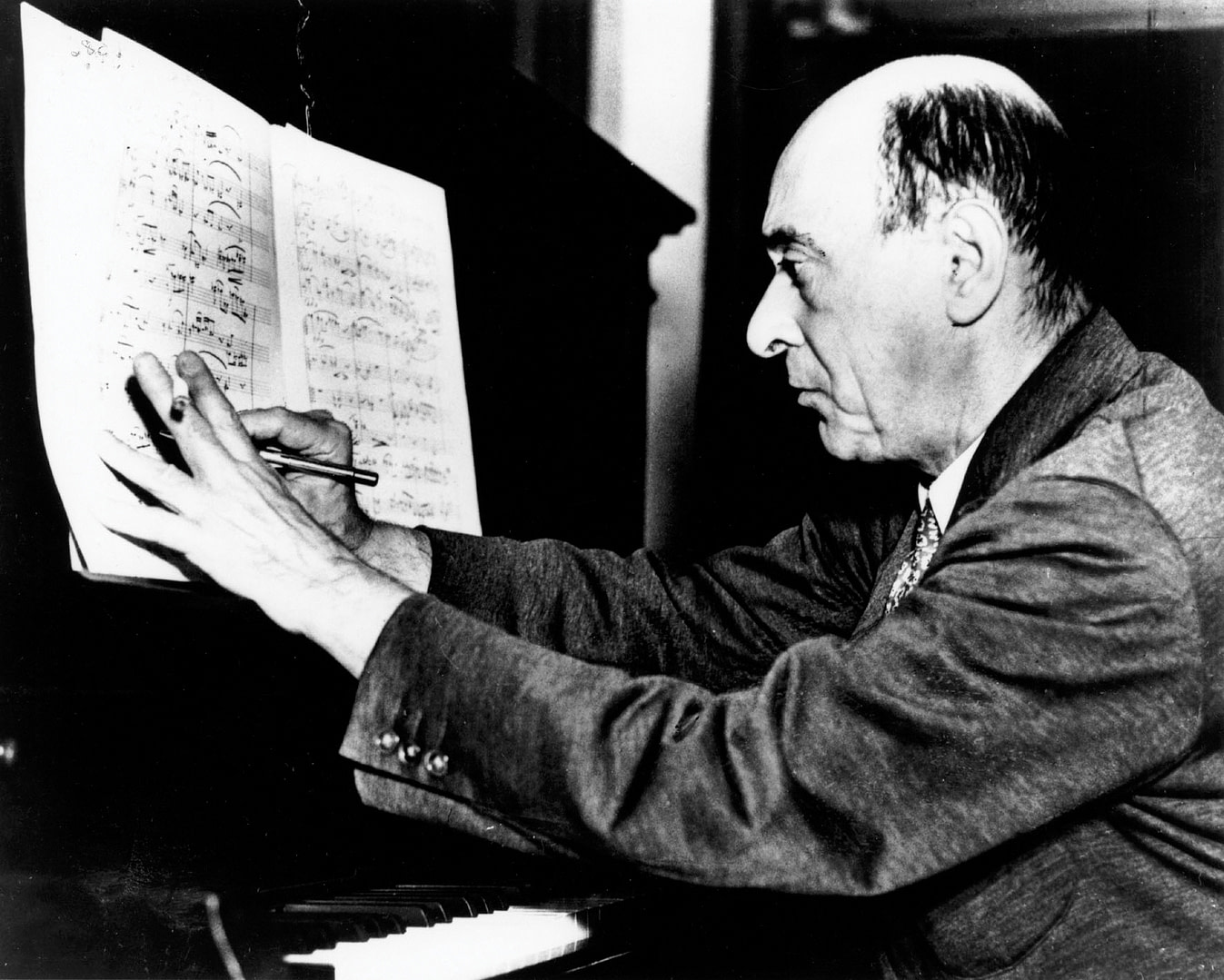 |
| Arnold Schoenberg |
 |
| Olivier Messiaen |
Today, chord theory continues to evolve as musicians explore new techniques, technologies, and musical genres. From jazz to rock to electronic music, the principles of harmony remain a fundamental aspect of musical expression, providing a framework for creativity and innovation. As we look to the future, it is clear that chord theory will continue to play a central role in shaping the music of tomorrow, inspiring generations of musicians to explore new harmonic territories and push the boundaries of what is possible in sound.