Exploring the Art of Fingerstyle Playing on Acoustic Guitar
Fingerstyle playing on acoustic guitar is a versatile and expressive technique where the guitarist uses their fingers (usually thumb, index, middle, and ring fingers) to pluck the strings individually, rather than using a pick. This approach allows for greater control over dynamics, articulation, and tone, making it popular among folk, blues, classical, and acoustic singer-songwriter genres. Here's an overview of fingerstyle playing on acoustic guitar:
Technique:
Fingerstyle playing involves using different fingers to pluck the strings, often with the thumb assigned to the bass strings (usually E, A, and D) and the other fingers assigned to the treble strings (usually G, B, and high E).
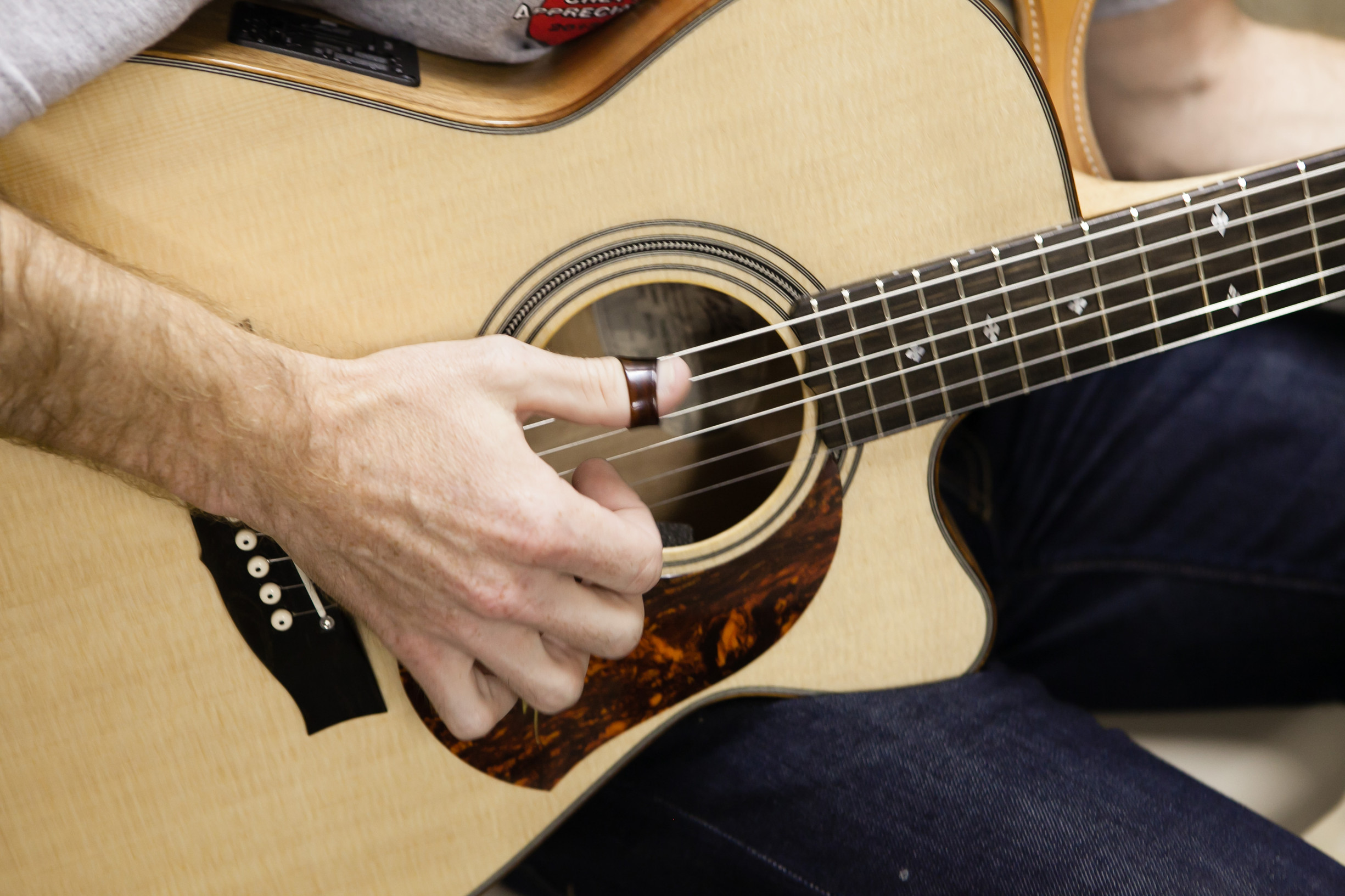
Players may use various fingerpicking patterns, such as Travis picking, alternating bass patterns, arpeggios, and syncopated rhythms, to create intricate and engaging arrangements.
Developing finger independence, accuracy, and speed is essential for mastering fingerstyle technique, requiring dedicated practice and focus on control and coordination.
Tone and Dynamics:
Fingerstyle playing allows for a wide range of tonal colors and dynamics, as players can vary the angle, pressure, and placement of their fingers on the strings to achieve different sounds.
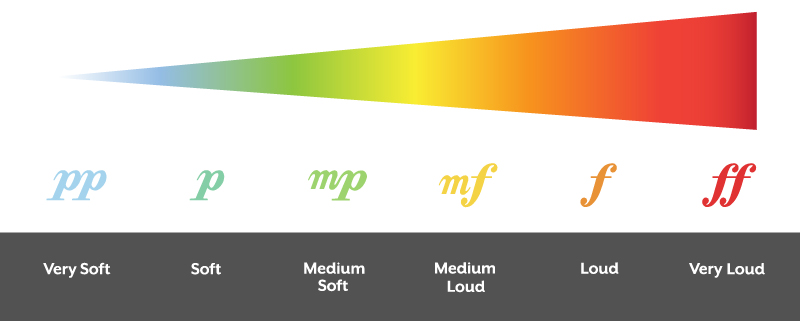
By controlling the attack and release of each note, guitarists can create expressive melodies, rich harmonies, and nuanced rhythms that evoke a wide range of emotions and moods.
Acoustic guitars are well-suited to fingerstyle playing, as their natural resonance and warm tone enhance the subtleties of the technique, allowing for greater clarity and definition in individual notes and chords.
Repertoire:
Fingerstyle playing is prevalent in a variety of musical styles and genres, from traditional folk and blues to contemporary acoustic arrangements and instrumental compositions.
Many iconic guitarists, such as Chet Atkins, Merle Travis, Doc Watson, and Tommy Emmanuel, have popularized fingerstyle playing and inspired generations of guitarists with their virtuosic performances and innovative techniques.
Fingerstyle arrangements often feature complex chord voicings, melodic lines, and bass accompaniments, creating a full and textured sound that can stand alone or accompany vocals and other instruments.
Adaptability and Creativity:
Fingerstyle playing offers endless possibilities for creativity and personal expression, allowing guitarists to develop their unique style and voice.
Players can adapt songs from various genres and artists to the fingerstyle format, adding their arrangements, embellishments, and improvisations to create fresh interpretations and performances.
Fingerstyle guitarists often experiment with alternate tunings, capos, percussive techniques, and extended techniques, pushing the boundaries of traditional playing and expanding the sonic palette of the instrument.
Overall, fingerstyle playing on acoustic guitar is a rewarding and fulfilling approach to guitar playing, offering endless opportunities for exploration, growth, and self-expression. Whether you're a beginner just starting or an experienced player looking to refine your technique, fingerstyle playing provides a rich and fulfilling musical journey that can be enjoyed for years to come.