A Comprehensive Guide to Different Types of Guitars and Their Musical Applications
There are many types of guitars, each with its unique characteristics and intended uses. Here's an overview of some of the most common types:
Acoustic Guitar:
Acoustic guitars are perhaps the most recognizable type of guitar, featuring a hollow body and sound hole that amplify the strings' vibrations acoustically.
They are commonly used in folk, country, blues, and singer-songwriter genres, as well as for solo performances and accompaniment.
Acoustic guitars produce a warm, natural tone and are often favored for their portability and versatility.
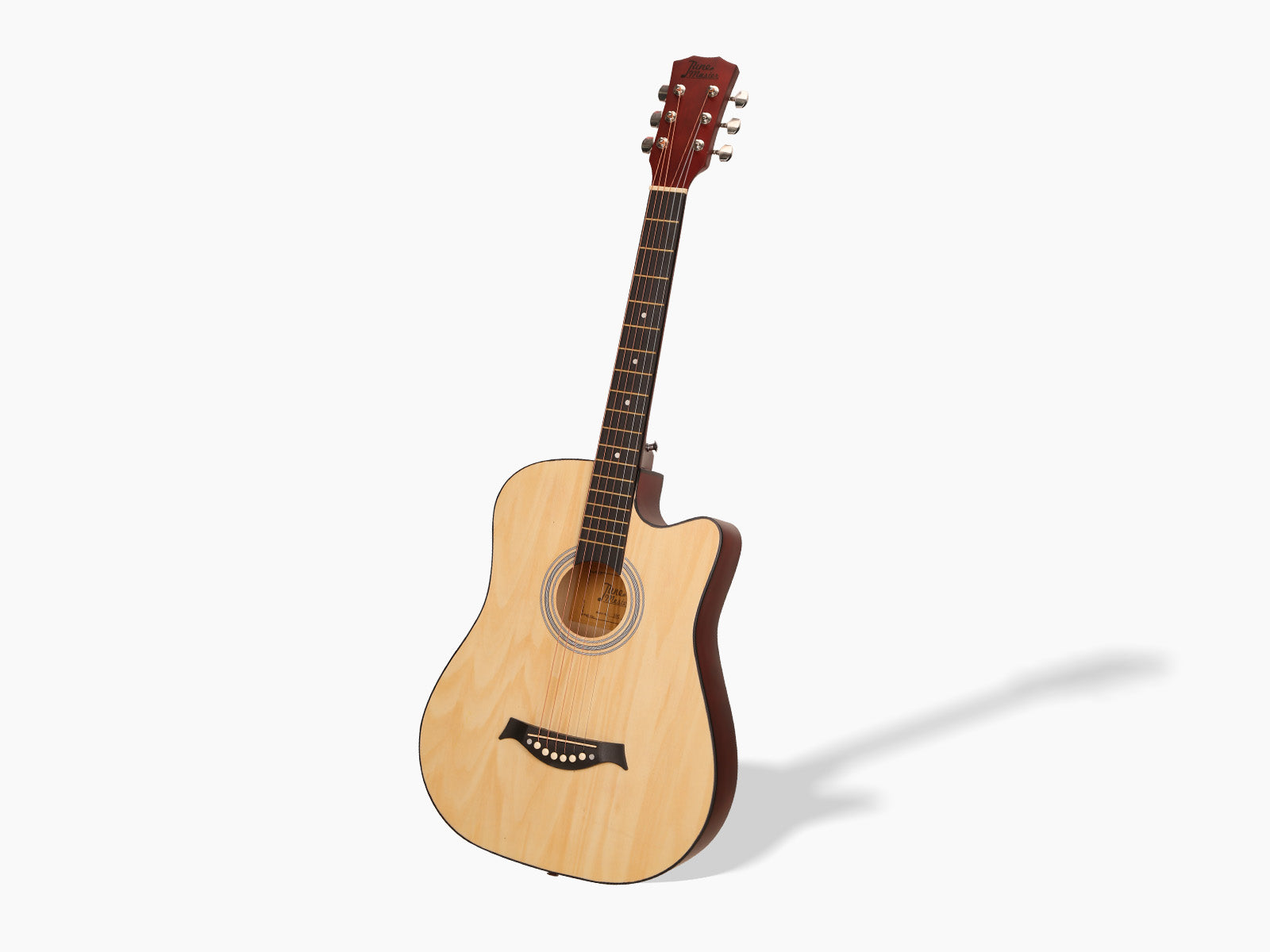 |
| Acoustic Guitar |
Classical Guitar:
Classical guitars have a wider neck and nylon strings, which produce a mellower, softer sound compared to steel-string acoustic guitars.
They are primarily used in classical and flamenco music but are also popular in jazz, bossa nova, and Latin genres.
Classical guitars are known for their rich, resonant tone and are often chosen for their expressive capabilities and dynamic range.
 |
| Classical Guitar |
Electric Guitar:
Electric guitars feature solid bodies and magnetic pickups that convert string vibrations into electrical signals, which are then amplified through an amplifier.
They are essential in rock, blues, jazz, pop, and metal genres, where their amplified sound allows for greater volume and distortion effects.
Electric guitars offer a wide range of tones and effects, making them highly versatile instruments for both rhythm and lead playing.
| Electric Guitar |
Bass Guitar:
Bass guitars have a longer scale length and fewer strings (usually four), producing lower-pitched notes that provide the rhythmic foundation in many musical styles.
They are essential in rock, funk, jazz, reggae, and many other genres, where they provide the harmonic and rhythmic backbone of the music.
Bass guitars can produce a deep, resonant tone that adds warmth and depth to a band's sound, while also providing melodic and rhythmic embellishments.
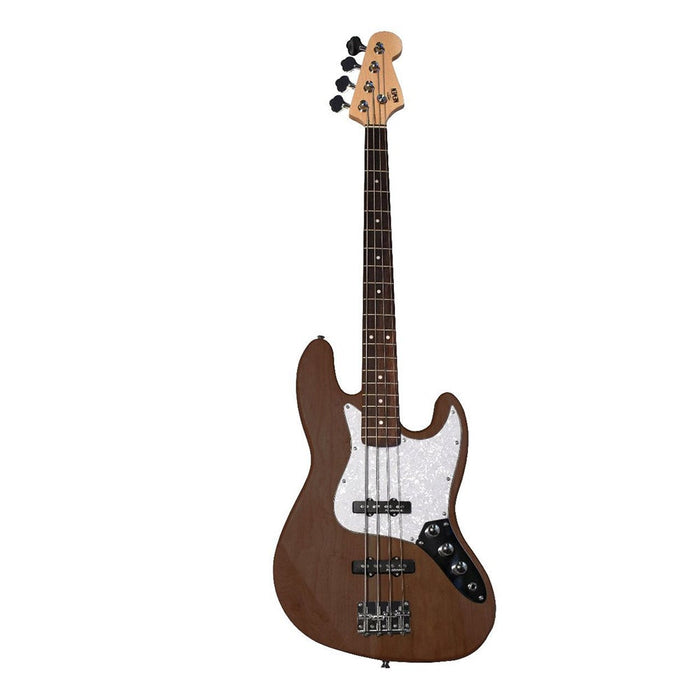 |
| Bass Guitar |
Resonator Guitar:
Resonator guitars feature metal cones or resonators that amplify the sound produced by the strings, resulting in a louder and more distinctive tone.
They are commonly used in blues, bluegrass, and country music, where their bright, metallic sound cuts through dense arrangements and provides a unique timbre.
Resonator guitars are often chosen for their vintage aesthetic and nostalgic appeal, adding character and authenticity to both live performances and recordings.
 |
| Resonator Guitar |
Archtop Guitar:
Archtop guitars have arched tops and backs, giving them a distinctive curved shape that enhances their acoustic resonance and projection.
They are popular in jazz, swing, and big band music, where their warm, woody tone and pronounced midrange make them ideal for soloing and chord melody playing.
Archtop guitars are prized for their elegant design and vintage craftsmanship, often featuring ornate inlays and fine details that reflect their heritage as premium instruments.
| Archtop Guitar |
These are just a few examples of the many types of guitars available, each with its own unique sound, feel, and playing style. Whether you're strumming chords on an acoustic guitar, shredding solos on an electric guitar, or laying down grooves on a bass guitar, there's a type of guitar to suit every musical preference and performance setting.